Featured
Table of Contents
Establishing Reliability Through Proven Lead To 2026
In the existing digital environment, business leaders no longer accept unclear promises of development. The shift toward absolute transparency has actually altered how firms interact their value. In 2026, the main method for developing long-term customer trust is the discussion of data-heavy case studies that move beyond surface-level aesthetics. These files serve as a roadmap for potential partners, showing exactly how budget plan allocations equate into measurable returns.When looking at D2C, the need for granular reporting has peaked. Clients wish to see the correlation in between a particular design choice and a bump in conversion rates. This level of information needs a dedication to tracking and an openness about what worked and what needed change. By focusing on the numbers, a company can prove that its technique is based upon logic instead of just imaginative intuition.
Data-Driven Style and the ROI Equation
Style is frequently seen through a subjective lens, but in 2026, it is a strictly scientific undertaking. Every component on a page, from the placement of a call-to-action to the loading speed of a high-resolution image, impacts the bottom line. Success in these locations is finest recorded through D2C brand scale to 78M TTM using RankOS that highlight specific improvements in user behavior.Many companies now invest greatly in SEO Results to ensure their digital existence does more than simply look expert. When a case study exposes that a navigation overhaul caused a 20 percent boost in list building, the worth of the service becomes indisputable. This is particularly true for growth marketing where the technical elements can be tough for non-experts to grasp without clear data visualization. Transparent reporting normally involves sharing the raw metrics from standard analytics tools or exclusive software. It reveals that the firm wants to be held liable for the outcomes. This responsibility is the structure of a healthy collaboration, as it lines up the goals of the service company with the monetary interests of the client.
AI Search Optimization and Presence
The introduction of AI search optimization (AEO) and generative engine optimization (GEO) has presented new intricacies to digital strategy. Standard search rankings are no longer the only metric that matters. Now, appearing in AI-generated summaries and conversational search results page is the brand-new standard for success. Recording this through a case-study permits clients to see how their brand name is being analyzed by artificial intelligence models.The platform utilized for tracking these metrics need to be capable of parsing how AI manufactures details. Strategies including specific technical workflows are often the distinction in between being a main source for an AI answer and being overlooked of the discussion totally. Due to the fact that this field is moving so quick in 2026, case studies should be upgraded frequently to show the latest shifts in search habits.
Determining Effect Across D2C
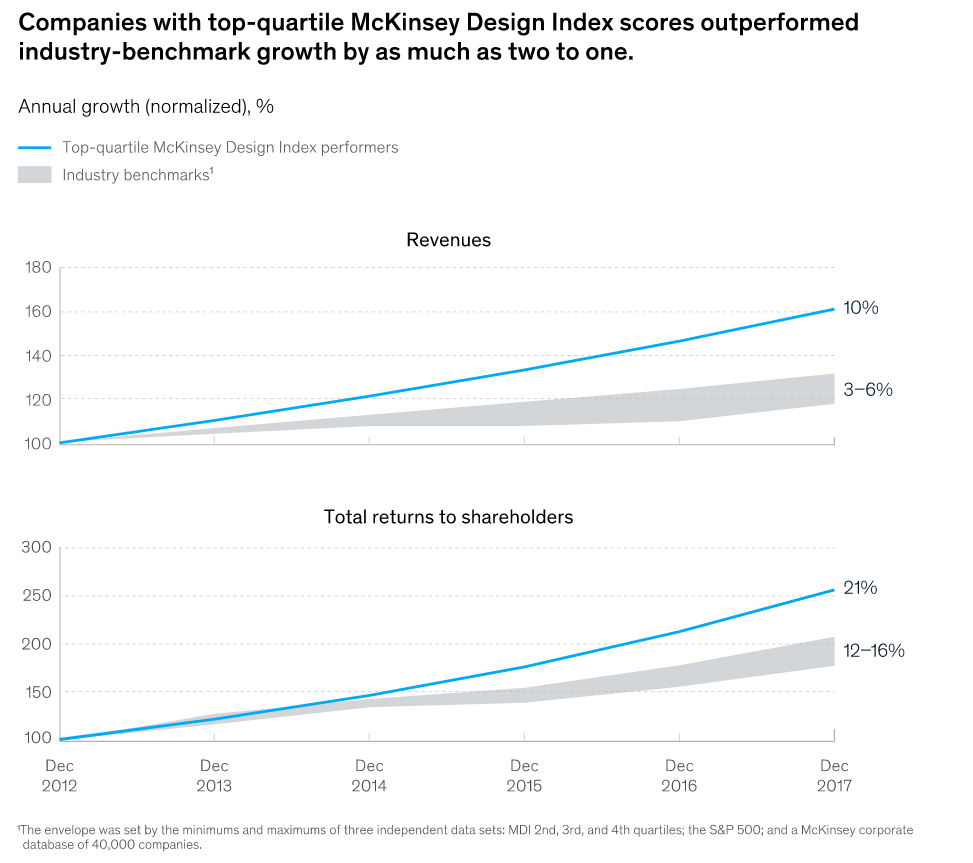
The effectiveness of a marketing project typically depends on its capability to scale across different areas and demographics. While a company might have a strong existence in major cities, the proof of their expertise depends on their ability to reproduce outcomes in diverse environments. Transparent case studies frequently consist of a breakdown of regional performance to show how local nuances were managed. Exceptional SEO Results Report has actually ended up being essential for modern-day organizations that need to understand the nuances of their digital spend. By evaluating the data from previous projects, business can prevent the experimental stage that frequently drains pipes resources. This historic data supplies a standard for what is possible, setting reasonable expectations for future growth.When an agency shares the specifics of a growth marketing, they are not just flaunting their wins. They are offering a masterclass in how to navigate the existing market. This academic approach helps clients feel more included in the process, turning an easy service deal into a collaborative effort towards a shared objective.
The Function of CEO Insights and Method
Management plays a considerable role in how a company approaches transparency. When a CEO is regularly included in major publications talking about the future of SEO and AI, it sets a requirement for the entire company. These insights frequently drip down into the case studies, offering a high-level tactical context for the data being provided. It isn't simply about the "what" but the "why" behind every tactical decision.For instance, a relocation into advanced optimization techniques may be driven by a shift in how significant search engines handle ecommerce questions. Discussing these macro trends within a case study helps the client understand that their project is being handled by people who are looking ahead, not just reacting to the present. This forward-thinking mentality is a crucial differentiator in 2026.
Refining Tactics Through Consistent Version
The most reliable case research studies are those that show the evolution of a project. Really few campaigns are perfect from the very first day. Highlighting the modifications made in reaction to early performance data shows an agency's dexterity. It reveals that they are keeping track of the accounts everyday and are prepared to pivot when the information suggests a better path.In lots of D2C, the capability to repeat is better than the preliminary plan. A transparent appearance at how a campaign was enhanced over six months supplies more insight than a static report on year-end totals. This continuous narrative develops a complacency, as the client knows that their spending plan is being handled with constant oversight.Using integrated data systems allows for this level of information. It enables the firm to pull particular information points that prove the efficiency of growth marketing. Whether it is a reduction in cost-per-acquisition or an increase in the life time value of a consumer, these numbers tell the genuine story of the collaboration.
Last Thoughts on Proof and Collaborations
As we move through 2026, the dependence on data will only increase. Transparent case research studies are no longer a luxury or a secondary marketing tool-- they are the core of the sales process. They offer the proof required to validate substantial investments in website design, SEO, and AI search visibility. By focusing on ROI through data-driven design and tactical marketing, companies can bridge the gap between technical execution and service goals. The result is a relationship constructed on validated success and mutual respect, which is the only way to ensure long-lasting stability in a varying digital economy. When the data is clear, the course forward ends up being apparent for both the agency and the client.

Latest Posts
The Increase of Minimalist UI in Modern Web Design
Why Local Organizations Are Embracing Green Webhosting
Innovative UI Components for Finance Web Design That Builds Authority